Upcoming Events
 ONLINE General Public Stakeholder Involvement EventDate and time is TBDLocation is TBD
 General Public Stakeholder Involvement EventDate and time is TBDLocation is TBD
Past Event Outcomes
Previously, the lab organised an event using funding from the Tilly Hale award for individuals from breastfeeding support organisations. The aims of these events were to obtain information on how to build and maintain relationships with these organisations. Our second aim was to find out their experiences regarding breastfeeding and what they have observed in their careers, which could direct our future research. We summarised the notes from all the focus groups. Based on the findings from the events with breastfeeding support organisations, we have developed action plans for the future of the lab, each targeting a barrier to breastfeeding.
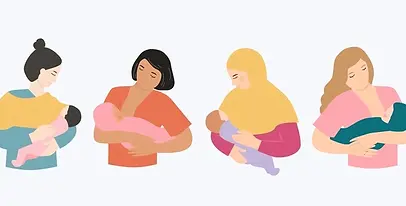
One of the main barriers that we identified from the events was education. When mothers had limited knowledge on breastfeeding, this acted as a barrier to their self efficacy and their decision to breastfeed. Another barrier was social media acting as a primary source of information for mothers regarding breastfeeding, as healthcare professionals discussed that it was not a trusted source of information and could be biased towards bottle / formula feeding. An action plan for this barrier is to create educational videos for mothers, providing a trusted source of information to educate them on breatfeeding topics that they could have limited knowledge in.
A barrier to breastfeeding is that young people are not being exposed to breastfeeding, which .... Science adventures is a program developed by Newcastle University, to educate children about science with age appropriate and fun activities. Our plan of action to counteract this is to make educational materials that exposes children to breastfeeding and normalises it. We also would like to potentially use this opportunity to do further research on local children's knowledge and experience of breastfeeding, by asking them in the Science adventures what they know about breastfeeding.

A barrier to a population of mothers was cultural and language barriers, which act as a barrier for these mothers to gain support. These issues included limited resources of translators, potential for medical words not to be translated properly, mothers from different cultures not being able to have an awareness of what support they are entitled to and how to access the support. Our plan of action to support these mothers is to collaborate with the Languages department of Newcastle University to create educational videos in different languages. We also are looking into potential software that could be used to act as a translator for support services to reduce the support barrier of limited resources and potential misinterpretations for translators.

Another barrier that healthcare professionals experienced is that mothers are unaware of support services available to them in their area. In the focus groups, participants also reported low attendance to their events as mothers were unaware and they reported finding it difficult to advertise to new parents. The action plan for this is to collaborate with breastfeeding support organisations to create a comprehensive visual map of the Northeast showing mothers in the North East a comprehensive, current map of all the support they can access local to them, including information on what types of support they provide (helpline, antenatal/ postnatal classes etc) and how they can contact them to access that support.